

The Best Wildlife Experiences to Have in Uganda Right Now
From tracking mountain gorillas in misty rainforests to watching elephants roam the savannah, Uganda offers wildlife experiences far beyond the traditional safari.
Planning a safari in Uganda often starts with one important question: how much does a Uganda safari cost?
The answer depends on much more than the number of days you spend in the country. Your safari budget can change significantly depending on whether you choose budget, mid-range or luxury accommodation, how many people are travelling together, which national parks you visit, how you get around, the activities you include, and the season in which you travel.
A short wildlife safari can be considerably less expensive than a multi-park journey that includes gorilla trekking. Likewise, a private luxury safari with high-end lodges can cost several times more than a carefully planned mid-range trip.
For travellers planning a 2026 or 2027 Uganda safari, a useful starting point is to think in terms of roughly $150–$400+ per person per day for a conventional wildlife safari, depending heavily on accommodation, group size and inclusions. Gorilla trekking requires a separate permit that can significantly increase the overall cost. Recent Uganda safari pricing guides also show substantial variation between budget, mid-range and luxury trips.
So, rather than asking only “How much is a Uganda safari?”, it is better to ask:
“What kind of Uganda safari do I want, and what should I budget for it?”
This guide breaks down the major costs so you can plan realistically.
Here is a broad planning guide for international travellers. These are indicative ranges rather than fixed national prices, because safari quotations vary according to itinerary, season, accommodation and group size.
| Safari style | Approximate planning range* | Best for |
|---|---|---|
| Budget safari | $150–$250 per person/day | Travellers prioritising value |
| Mid-range safari | $250–$400 per person/day | Comfort and good value |
| Luxury safari | $400–$800+ per person/day | Premium lodges and private experiences |
| Gorilla trekking | Add the applicable gorilla permit | Gorilla-focused trips |
| Chimpanzee trekking | Add the applicable chimpanzee permit | Primate-focused safaris |
These figures are planning estimates, not official UWA rates. The final price depends on your itinerary and what is included in the safari package.
A 3-day safari and a 10-day safari obviously won’t cost the same, but neither will two different 7-day safaris if one uses basic accommodation and the other uses premium lodges.
Several major factors influence the final price of your safari.
Accommodation is one of the biggest differences between safari quotations.
Uganda has everything from simple camps and guesthouses to comfortable mid-range lodges and exclusive luxury safari camps.
A budget-oriented itinerary may use straightforward accommodation with the essentials, while a mid-range safari may include private rooms, good meals, attractive locations and additional comforts.
Luxury safaris can include high-end lodges with exceptional views, personalised service, premium dining and exclusive experiences. Current 2026–2027 lodge pricing illustrates just how widely accommodation costs can vary between value, deluxe and premier properties.
This means that when comparing two safari quotations, don’t compare the total price alone. Compare the lodges included in each quotation.
A $2,000 safari and a $3,000 safari may offer very different accommodation and inclusions.
Naturally, a longer safari costs more because you are paying for more nights, meals, transport and activities.
However, longer safaris can sometimes provide better value per day because fixed costs such as the safari vehicle and driver are spread across more days.
For example:
If you are travelling all the way to Uganda for a major wildlife experience, extending your trip can allow you to experience much more than a single park.
You could combine Kibale Forest, Queen Elizabeth National Park and Bwindi, for example, or create a longer northern circuit around Murchison Falls and Kidepo Valley. For inspiration, explore Afriquest’s guide to the best wildlife experiences to have in Uganda.

If your Uganda safari includes gorilla trekking, the permit becomes one of the largest individual expenses.
Under UWA’s revised tariff structure taking effect 1 January 2027, a standard gorilla tracking permit is listed at:
UWA has also introduced a low-season gorilla tracking rate of US$600 for foreign non-residents and US$500 for foreign residents during April, May and November. The low-season rates were introduced in 2026 and are intended to encourage travel during those months.
The permit is not the entire cost of a gorilla safari. You still need to account for accommodation, transport, meals and other activities.
For the latest official information, travellers should check the Uganda Wildlife Authority’s official rates and tariffs before booking.
If gorilla trekking is part of your plans, our guide to [What to Pack for Gorilla Trekking in Uganda] can also help you prepare for the experience.
Uganda is one of Africa’s best destinations for primate experiences, and chimpanzee trekking in Kibale Forest is a popular addition to a safari.
UWA’s revised tariff, effective from January 2027, lists chimpanzee tracking in Kibale National Park at US$300 for foreign non-residents, US$200 for foreign residents, US$100 for visitors from the rest of Africa, and UGX 180,000 for EAC citizens. Chimpanzee habituation is priced separately.
That makes it important to consider your activities individually when preparing your safari budget.
A trip that includes:
will naturally cost more than a safari focused primarily on game drives.
Transportation is another major part of the safari cost.
Most private Uganda safaris use a 4×4 safari vehicle with a professional driver-guide. The vehicle, fuel, driver’s services and travel distance all contribute to the cost.
One of the biggest advantages of travelling as a couple or small group is that some vehicle and guide costs can effectively be shared among travellers.
For example, a private vehicle for two people may have a higher per-person cost than the same vehicle shared by four or six travellers.
This is why group size can have a significant effect on the price per person.
Solo travellers should also expect their safari to cost more per person in many cases because they are not sharing the vehicle and some other fixed expenses.
Your itinerary also affects the cost.
Some parks can be incorporated into relatively straightforward circuits, while reaching more remote destinations can require additional driving time, accommodation nights or domestic flights.
Popular safari destinations include:
For example, a short Queen Elizabeth safari may have a very different cost structure from a longer itinerary combining Murchison Falls, Kibale, Queen Elizabeth and Bwindi.
The more destinations you add, the more important efficient route planning becomes.
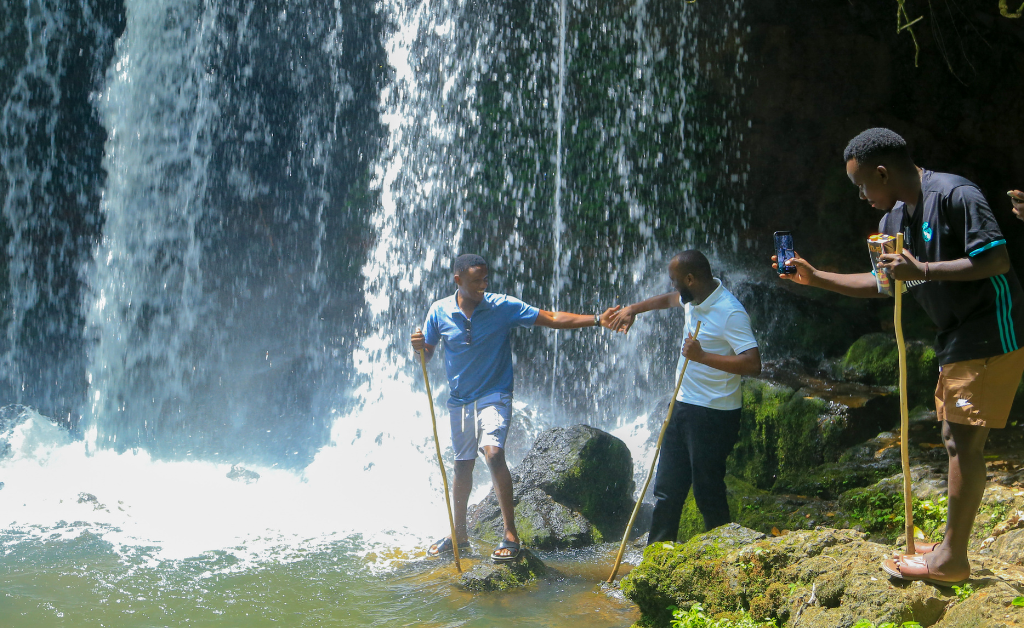
A safari isn’t only about accommodation and transport.
Additional experiences can include:
UWA’s published tariff information shows that activities carry different fees. For example, its 2024–2026 tariff listed a US$45 foreign non-resident entrance fee for Murchison Falls and US$40 for Queen Elizabeth, while activities such as boat trips and chimpanzee experiences carried separate charges.
Because tariff structures can change, your safari operator should confirm the applicable rates when preparing your quotation.
The time of year can also affect your total safari budget.
During popular travel periods, demand for accommodation can be higher, particularly around the traditional dry-season months.
Travelling during a quieter period may give you access to better accommodation rates and special offers.
Uganda has made this particularly interesting for gorilla and chimpanzee travellers. UWA’s 2026 tariff announcement introduced discounted low-season permits for April, May and November.
For travellers who have flexibility, choosing travel dates carefully can therefore make a meaningful difference to the overall cost.
Our guide on the [Best Time to See Wildlife in Uganda] can help you decide when to travel based on both wildlife and seasonal conditions.
A 3-day safari is a good option for travellers with limited time.
A conventional wildlife-focused trip without gorilla trekking may fall broadly into the following planning categories:
| Style | Approximate total for 3 days |
|---|---|
| Budget | $450–$750+ |
| Mid-range | $750–$1,200+ |
| Luxury | $1,200–$2,400+ |
These are indicative planning figures rather than fixed package prices.
A 3-day gorilla safari will generally cost considerably more because of the gorilla permit.
Recent 2026 market examples put budget gorilla trips around the low-$1,000s and mid-range experiences around $1,500–$2,500+, depending on accommodation, transport and itinerary.
Five days gives you considerably more flexibility.
You could build a wildlife itinerary around destinations such as Queen Elizabeth National Park and Kibale, or focus on a shorter gorilla and wildlife combination.
A broad planning estimate would be:
| Style | Approximate total for 5 days |
|---|---|
| Budget | $750–$1,250+ |
| Mid-range | $1,250–$2,000+ |
| Luxury | $2,000–$4,000+ |
Adding gorilla trekking can push the total higher because of the permit and the additional accommodation and transportation required to reach the gorilla destination.
Seven days is one of the most useful lengths for a Uganda safari because it allows travellers to combine several experiences without rushing through the country.
A 7-day itinerary could include:
Option 1: Primates & Wildlife
Kibale → Queen Elizabeth → Bwindi
Option 2: Classic Wildlife
Murchison Falls → Kibale → Queen Elizabeth
Option 3: Gorilla & Wildlife
Queen Elizabeth → Bwindi → Lake Mburo
For a 7-day trip, a rough planning budget might look like:
| Style | Approximate total for 7 days |
|---|---|
| Budget | $1,000–$1,750+ |
| Mid-range | $1,750–$3,000+ |
| Luxury | $3,000–$6,000+ |
Recent 2026 Uganda safari pricing examples show similar broad variation, with group size, season and accommodation producing substantial differences in the final quotation.
If you add gorilla trekking, remember that the applicable permit is a major additional cost.
Luxury safaris can vary enormously.
A premium safari may include:
Some of Uganda’s top luxury properties can cost several hundred dollars per person per night, with the most exclusive properties considerably higher. Current 2026–2027 accommodation guides demonstrate the wide range between deluxe and premier properties.
For this reason, there is no meaningful single figure for a “luxury Uganda safari.”
A tailor-made luxury itinerary can easily reach $5,000–$10,000+ per person for an extended trip, particularly when premium lodges, private flights and gorilla trekking are combined.
When comparing safari quotations, check exactly what you’re paying for.
A comprehensive package may include:
However, inclusions vary between operators.
Always ask for a detailed quotation rather than comparing headline prices.
Depending on the operator and package, you may need to budget separately for:
For gorilla trekking, a porter is optional but can be valuable, particularly because the terrain can be steep and challenging.
You don’t necessarily need to choose the cheapest safari to get good value.
Instead, consider these strategies.
If your schedule is flexible, ask your safari operator about lower-season rates. Uganda’s current low-season gorilla promotion for April, May and November can make those months particularly interesting for travellers planning a gorilla experience.
Sharing vehicle and guide costs can reduce the per-person price.
Mid-range lodges can provide an excellent balance between comfort and cost without paying luxury rates.
A well-designed route can reduce unnecessary driving and overnight stays.
Don’t automatically assume that the shortest safari is the cheapest overall. A well-planned longer itinerary may provide better value if you are already paying for international flights and fixed safari costs.
If your dream is gorilla trekking, allocate your budget accordingly and build the rest of the safari around it.
Compared with many major international holidays, a Uganda safari can represent significant spending, particularly once international flights and premium accommodation are included.
However, Uganda offers a very wide range of safari experiences and price points.
You can build a simpler wildlife safari focused on a few parks, choose comfortable mid-range accommodation, or create a high-end journey combining gorillas, chimpanzees, savannah wildlife and luxury lodges.
The biggest mistake is looking for one “Uganda safari price.”
There isn’t one.
There is a budget Uganda safari, a mid-range Uganda safari, a luxury Uganda safari, a gorilla safari, a wildlife safari and countless combinations between them.
To make the numbers easier to understand, here are some broad examples:
| Trip style | Approximate budget per person |
|---|---|
| 3-day budget wildlife safari | $450–$750+ |
| 3-day mid-range wildlife safari | $750–$1,200+ |
| 5-day mid-range wildlife safari | $1,250–$2,000+ |
| 7-day mid-range wildlife safari | $1,750–$3,000+ |
| 7-day luxury safari | $3,000–$6,000+ |
| 3-day gorilla safari | Often $1,200+ |
| Extended luxury safari with gorilla trekking | $5,000+ |
These figures are planning ranges, not fixed Afriquest package prices. Your actual quotation will depend on your travel dates, group size, accommodation choices, route and activities.
The right budget depends on what matters most to you.
Choose budget travel if:
Choose mid-range if:
Choose luxury if:
The most accurate way to know how much your Uganda safari will cost is to request a tailor-made quotation.
Give your safari planner:
Your itinerary can then be designed around your priorities instead of forcing you into a one-size-fits-all package.
At Afriquest Travels, we believe that the best safari is one that fits your interests, your schedule and your budget.
Whether you are dreaming of gorilla trekking in Bwindi, chimpanzee tracking in Kibale, game drives in Murchison Falls or Queen Elizabeth National Park, the remote landscapes of Kidepo Valley, or a longer journey combining several of Uganda’s highlights, we can help you build an itinerary around the experiences that matter most to you.
We can also help you decide where it makes sense to spend more and where you can save without compromising the quality of your trip.
Ready to find out how much your Uganda safari could cost?
Contact Afriquest Travels for a personalised itinerary and quotation tailored to your travel dates, group size, interests and budget.
Let us help you turn your Uganda safari dream into a realistic travel plan.
A curated list of the most popular travel packages based on different destinations.

From tracking mountain gorillas in misty rainforests to watching elephants roam the savannah, Uganda offers wildlife experiences far beyond the traditional safari.

If seeing mountain gorillas in their natural habitat is on your bucket list, Uganda and Rwanda are two of the best places in the world to make that dream a reality. Both countries are home to endangered mountain gorillas. Both offer guided trekking experiences through beautiful montane forests. And in both destinations, visitors can spend […]

Gorilla trekking in Uganda is an experience unlike any other a thrilling journey into the heart of Africa’s ancient rainforests and one of the world’s most remarkable wildlife encounters. Deep within the misty forests of Bwindi Impenetrable National Park and Mgahinga Gorilla National Park, travellers hike through lush vegetation, steep slopes and sometimes muddy trails […]
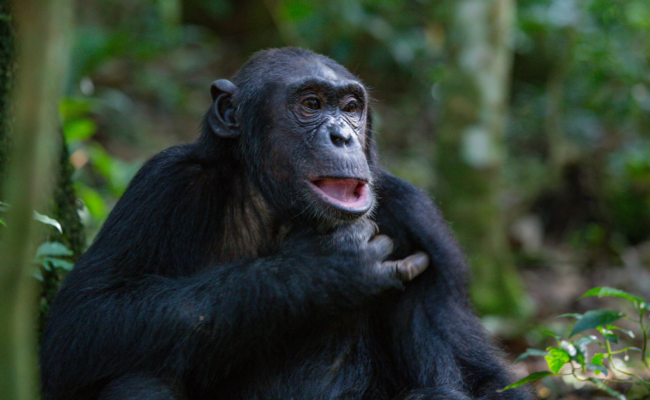
If you are planning a Uganda safari, one of the first questions you will probably ask is: how many days do you need for a Uganda safari? The short answer is that 5 to 7 days is a good starting point for a classic Uganda safari, while 10 to 14 days is ideal if you […]

If you’re planning a wildlife safari in Uganda, one of the first questions you’re likely to ask is: When is the best time to go? The good news is that Uganda is a year-round safari destination. You can see wildlife, explore national parks and enjoy unforgettable experiences in every season. If you’re still deciding which […]
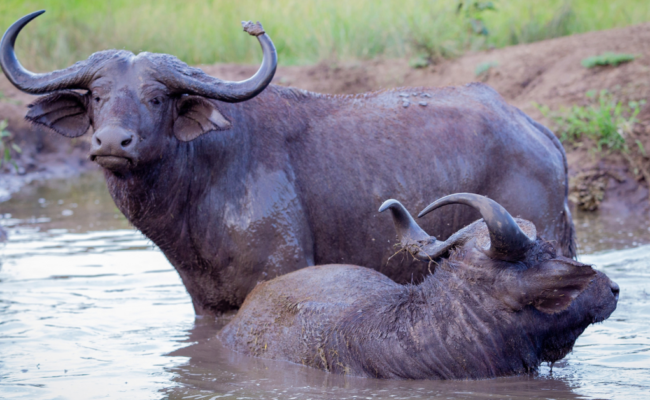
If you’re wondering where to see the Big Five in Uganda, you’re in for an exciting safari experience. Uganda may be better known internationally for gorilla trekking, but its savannah parks are also home to lions, leopards, elephants, buffaloes and rhinos. From the wide plains of Murchison Falls to the remote wilderness of Kidepo Valley, […]
If you are dreaming of seeing mountain gorillas in the wild, Uganda gives you two remarkable options: Bwindi Impenetrable National Park and Mgahinga Gorilla National Park. Both are located in southwestern Uganda and protect populations of the endangered mountain gorilla. Both offer the chance to trek through beautiful montane forests and spend time observing gorillas […]
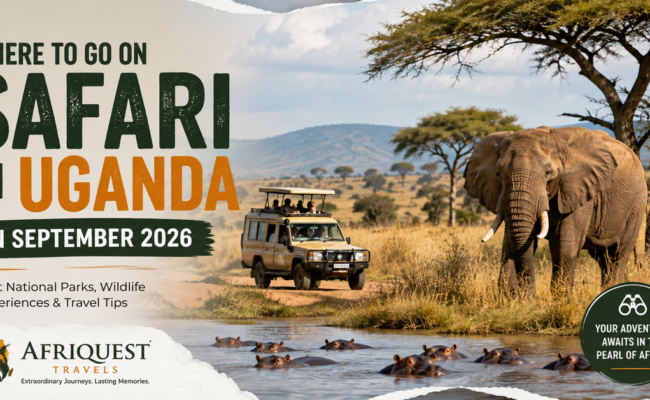
Planning an African safari in September 2026? Uganda deserves a place at the top of your list. From its diverse landscapes and abundant wildlife to world-class primate experiences, spectacular national parks and authentic cultural encounters, Uganda offers a remarkable safari experience for travelers seeking something beyond the traditional African safari. Whether you are exploring the […]


