Planning a Uganda safari for first-timers can feel exciting—and a little overwhelming. With so many national parks, wildlife experiences and itinerary options to choose from, knowing where to start can be challenging, especially if you’ve never been on safari before.
You may be wondering which national parks to visit, how many days you need, what animals you can expect to see, whether you should include gorilla or chimpanzee trekking, what to pack, how much a safari costs, and what a typical day on safari is actually like.
The good news is that you don’t need to be an experienced safari traveller to enjoy Uganda. With the right planning and a well-designed itinerary, your first safari can be both exciting and easy to navigate.
Uganda offers an impressive variety of experiences, from classic game drives and boat safaris to chimpanzee trekking, mountain gorilla encounters, birdwatching, hiking and cultural experiences. The Uganda Wildlife Authority currently manages 10 national parks and 12 wildlife reserves, alongside other protected areas, giving travellers an extraordinary range of landscapes and wildlife experiences to explore.
Whether you have three days or two weeks, this guide covers everything you need to know to plan your first Uganda safari—from choosing where to go and deciding how long to stay to understanding costs, packing essentials and what to expect along the way.
Why Choose Uganda for Your First Safari?
Uganda is sometimes overlooked in favour of better-known safari destinations in East Africa, but that is precisely what makes it appealing to many travellers.
For anyone planning a Uganda safari for first-timers, the country offers an impressive combination of savannah wildlife, tropical forests, mountain landscapes, primates, birds, lakes, rivers and vibrant cultural experiences within one journey.
The country is particularly well known for mountain gorilla trekking in Bwindi Impenetrable National Park and Mgahinga Gorilla National Park, while Kibale National Park is a major destination for chimpanzee trekking. UWA also highlights experiences such as wildlife viewing, gorilla tracking, chimpanzee tracking and mountain adventures among Uganda’s major tourism experiences.
Uganda is also a good choice if you don’t want your holiday to revolve entirely around the Big Five.
You can spend one day watching elephants and lions on a game drive, another searching for chimpanzees in a rainforest, and another trekking through the mountains in search of gorillas.
What Is a Uganda Safari Actually Like?
If this is your first safari, it helps to know that it isn’t simply a matter of driving around until you see animals.
A typical safari day may begin early in the morning, when wildlife is often active. You will travel in a safari vehicle with a professional driver-guide who helps you look for animals and explains the landscape, wildlife and conservation efforts.
Depending on your itinerary, your day could include:
Morning or afternoon game drives
Boat cruises
Walking safaris
Chimpanzee trekking
Gorilla trekking
Birdwatching
Nature walks
Cultural experiences
Photography
Relaxing at your lodge between activities
Some days will be action-packed, while others may be deliberately slower.
One of the best parts of safari is that you don’t have to see everything in one day. Wildlife viewing involves patience, and sometimes the most memorable sightings happen when you least expect them.
Which National Parks Should First-Time Visitors Choose?
Uganda has many protected areas, but first-time visitors don’t need to visit all of them.
Your choice should depend on what you want to experience.
Murchison Falls National Park
Murchison Falls is one of Uganda’s best-known safari destinations and is a strong choice for travellers interested in classic wildlife viewing.
The park combines savannah landscapes with the Nile River and the dramatic Murchison Falls. Game drives can offer opportunities to see elephants, giraffes, buffaloes, lions and other wildlife, while boat trips provide a different perspective of the park.
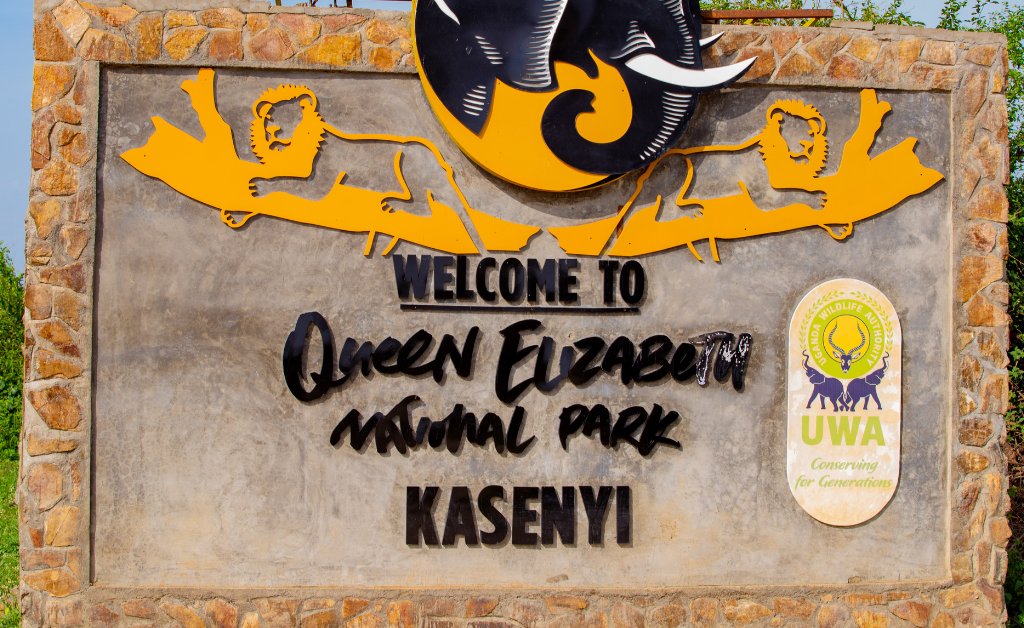
Queen Elizabeth National Park is another excellent option for first-time visitors.
It is particularly attractive because you can combine traditional game drives with a boat cruise on the Kazinga Channel.
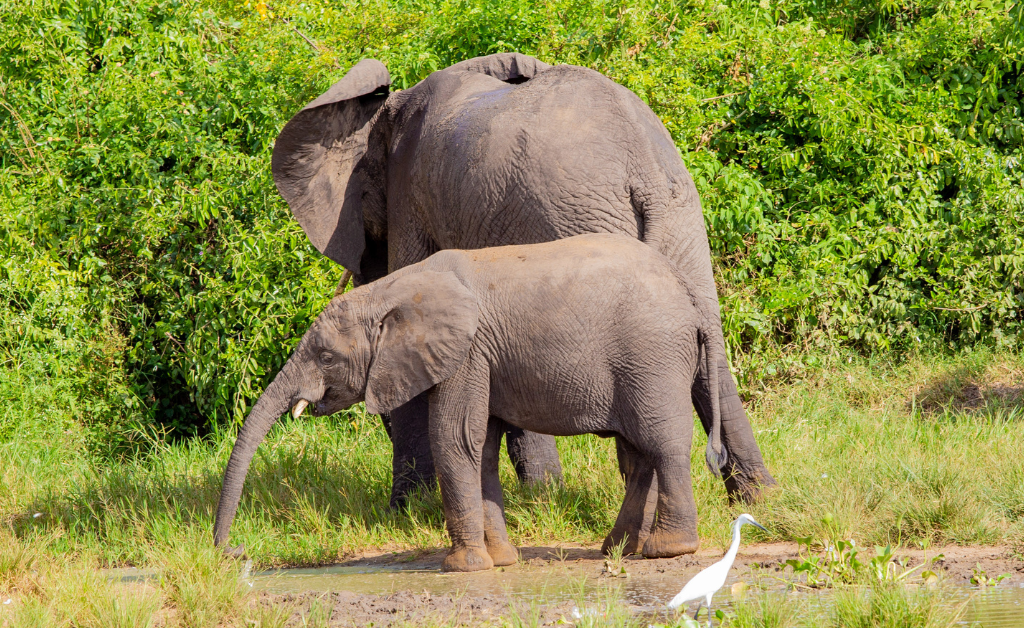
The park is home to elephants, buffaloes, lions, leopards, hippos and numerous bird species, while the Ishasha sector in the south is famous for its tree-climbing lions.
If primates interest you, Kibale deserves serious consideration.
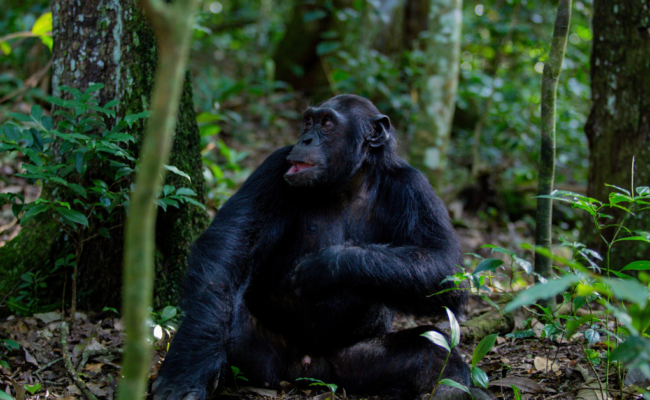
The park is famous for chimpanzee trekking and is one of Uganda’s major destinations for primate experiences.
Chimpanzee trekking is different from a game drive. You walk through forest with trained guides and trackers, following signs of chimpanzee activity until you locate a habituated group.
Bwindi Impenetrable National Park
Bwindi is the destination to consider if seeing mountain gorillas is high on your bucket list.
Gorilla trekking takes place in the forest, where visitors are accompanied by guides and trackers while searching for a habituated gorilla family.
The experience can be physically demanding because of steep terrain and forest conditions, so it is worth preparing appropriately.
Lake Mburo is a convenient option for travellers looking for a shorter safari or a destination that fits well into certain western Uganda itineraries.
It offers opportunities for game drives, boat trips, walking experiences and other activities.
Its proximity to Kampala and Entebbe can make it useful for travellers with limited time.
How Many Days Do You Need for a Uganda Safari?
For most travellers planning a Uganda safari for first-timers, 5–7 days is a good starting point.
If you have only three days, you can focus on one destination or one major experience.
With seven days, you can combine several highlights.
With 10–14 days, you have much more flexibility and can explore multiple regions without making the itinerary feel rushed.
A useful guide is:
Trip length
What you can experience
3 days
One focused wildlife destination or short experience
5 days
Two destinations or a focused wildlife/primate trip
7 days
Several major Uganda highlights
10 days
Wildlife + primates + gorillas
14 days
A broader Uganda adventure
If you are travelling a long distance to Uganda, a longer itinerary can be worthwhile because it gives you time to experience more of the country without constantly rushing between destinations.
Should You Include Gorilla Trekking?
If seeing mountain gorillas has always been a dream, Uganda is one of the world’s important destinations for this experience.
Gorilla trekking takes place in Bwindi Impenetrable National Park and Mgahinga Gorilla National Park.
The experience involves hiking through forest with trained guides and trackers until you locate a habituated gorilla family.
UWA’s guidelines limit visits to one hour with a gorilla group, and visitors are required to follow specific conservation and safety rules during the trek.
Gorilla trekking requires a separate permit, so it can substantially increase the cost of your safari.
If you are considering it, make it one of the first things you discuss with your safari planner.
Chimpanzee trekking is another excellent addition, especially if you enjoy primates.
Kibale is the country’s best-known destination for chimpanzee trekking, and the experience can complement a gorilla trek beautifully.
Unlike a game drive, chimpanzee trekking involves walking through forest trails while guides and trackers search for chimpanzee groups.
UWA’s guidelines also require visitors to maintain a safe distance and follow specific rules designed to protect both visitors and chimpanzees.
If you’re planning a Uganda safari for first-timers and have seven or more days, combining Kibale + Queen Elizabeth + Bwindi can create an especially rewarding first Uganda safari.
When Is the Best Time to Visit Uganda?
If you’re planning a Uganda safari for first-timers, it’s worth considering the time of year you want to visit. Uganda can be visited throughout the year, but different seasons offer different advantages.
The relatively drier periods are popular for wildlife viewing and trekking because trails can be easier to navigate.
The wetter months can bring greener landscapes, fewer visitors in some areas and excellent conditions for photography and birdwatching.
There is no single “bad” month for Uganda.
Instead, choose your travel period based on what matters most to you.
For example:
Wildlife viewing: drier periods are often preferred.
Gorilla trekking: trekking is possible throughout the year, although trail conditions vary.
Birdwatching: Uganda can be rewarding throughout the year.
Lower-season travel: some periods may offer different pricing or fewer visitors.
A budget safari, mid-range safari and luxury safari can have very different prices even when they follow the same route.
Gorilla trekking can also significantly increase the total because of the separate permit cost.
When comparing safari quotations, don’t look only at the final number. Check what is included, which lodges are being used, whether park fees and activities are included, and whether transport is private or shared.
The most useful approach is to pack practical, comfortable clothing that works for warm days, cooler mornings and outdoor activities.
Safari essentials
Consider packing:
Lightweight, comfortable clothing
Long trousers
Long-sleeved shirts
Comfortable walking shoes
A light jacket or fleece
Waterproof jacket
Hat or cap
Sunglasses
Sunscreen
Insect repellent
Reusable water bottle
Small daypack
Camera and spare batteries
Binoculars
Personal medication
Basic toiletries
Extra socks
If gorilla trekking is included, you’ll want more specialised items such as sturdy waterproof hiking boots, gloves and reliable rain protection.
What Should You Wear on Safari?
Comfort matters more than looking like you’ve stepped out of a wildlife documentary.
Choose lightweight clothing that allows you to move comfortably and protects you from sun and insects.
Neutral or earthy colours are generally practical for safari activities, although you don’t need to buy an entirely new wardrobe.
For gorilla trekking, prioritise practicality over appearance. You’ll be walking through forest, potentially dealing with mud, rain and vegetation.
What Is the Food Like on a Uganda Safari?
Food is an important part of the safari experience, and most lodges catering to international travellers offer a mixture of local and international dishes.
Depending on your accommodation, you may find:
Breakfast before a morning activity
Packed lunches
Fresh fruit
Rice
Potatoes
Matoke
Vegetables
Meat or fish
Vegetarian options
Tea and coffee
If you have allergies, dietary restrictions or specific food requirements, tell your safari company before travelling so the lodges can prepare appropriately.
And don’t be afraid to try Ugandan dishes. Food is one of the easiest ways to experience a little more of the country’s culture.
What About Money in Uganda?
If you’re planning a Uganda safari for first-timers, it’s useful to understand how payments work before you travel.
Uganda’s currency is the Ugandan shilling (UGX).
Cards are accepted at many hotels, lodges and businesses in larger towns, but you should not assume that every place on a safari route will accept cards.
It’s sensible to carry some local currency for smaller purchases, tips and situations where card payments aren’t available.
Your safari operator can also advise you on where you are likely to have access to ATMs or currency exchange during your particular route.
Should You Tip Your Safari Guide?
Tipping is generally appreciated when you have received good service, but it should reflect your satisfaction and budget.
Your safari company can advise you on customary tipping practices for guides, drivers, lodge staff and other service providers.
Don’t feel that you need to tip simply because someone expects it. The most important thing is to recognise good service appropriately and respectfully.
Is Uganda Safe for First-Time Safari Travellers?
If you’re planning a Uganda safari for first-timers, safety is naturally one of the things you may be wondering about. Uganda welcomes international visitors, and organised safaris are designed to provide travellers with professional guides and structured transportation.
The easiest way for a first-time visitor to navigate the country is to work with a reputable, properly licensed safari operator.
The Uganda Tourism Board maintains a system for licensed tour operators, allowing travellers to verify operators before booking. Its official quality-assurance directory provides current information on licensed tourism businesses.
If you are booking a gorilla or chimpanzee experience, this becomes especially important. UWA states that permits for foreign non-residents are handled through licensed tour operators, and travellers are advised to verify an operator’s licensing status.
How Do You Choose a Good Uganda Safari Company?
When comparing safari operators, look beyond the cheapest quotation.
Consider:
Licensing and reputation
Choose a company that operates legally and can provide clear information about its licensing and services.
Communication
A good safari company should answer your questions clearly before you travel.
Itinerary quality
Look at how the route is structured rather than simply counting the number of parks.
Accommodation
Check the actual lodges included in your quotation.
What’s included
Ask whether park fees, meals, activities, transportation and other costs are included.
Flexibility
A good operator should be able to adjust the itinerary around your interests, budget and travel dates.
Should You Book a Private or Group Safari?
This depends on your preferences.
Private safari
A private safari gives you greater flexibility over your itinerary, schedule and activities.
It is particularly useful for couples, families and travellers who have specific interests such as photography or birdwatching.
Group safari
A group safari can be more affordable because some costs are shared among travellers.
It can also be a fun way to meet other travellers.
If flexibility and privacy are important to you, a private safari may be worth the additional cost.
How Do You Get Around Uganda on Safari?
Most traditional Uganda safaris use a 4×4 safari vehicle driven by a professional guide.
Road travel is part of the safari experience and gives you the opportunity to see changing landscapes and communities between destinations.
For longer routes or remote destinations, domestic flights may be an option.
Your safari company should recommend the most practical transportation method based on your available time and itinerary.
What Should First-Time Visitors Know About Safari Days?
One of the biggest adjustments for those planning a Uganda safari for first-timers is getting used to the rhythm of a safari day.
You may wake up earlier than you normally would.
You may spend several hours in a vehicle.
You may wait patiently for wildlife.
And you may return to your lodge in the afternoon with time to relax before another activity.
That’s normal.
A safari isn’t a checklist where you are guaranteed to see a specific animal at a specific time.
The excitement comes from not knowing exactly what you’ll encounter.
Some days may bring an incredible wildlife sighting within minutes. On another day, you may spend longer searching.
Both are part of the experience.
What Animals Can You See on a Uganda Safari?
Uganda has a remarkably diverse wildlife offering.
Depending on your itinerary and destinations, you may encounter:
Elephants
Lions
Leopards
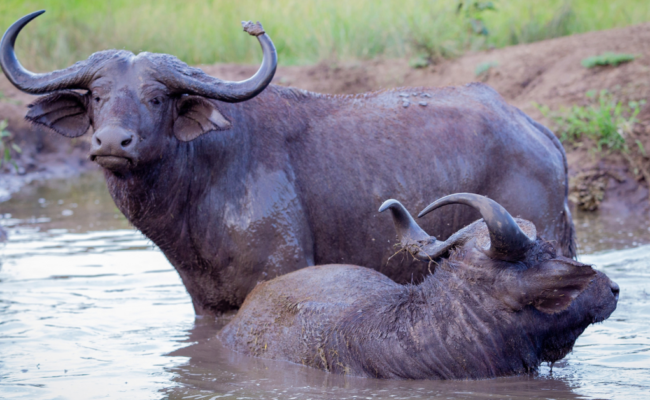
Buffaloes
Giraffes
Hippos
Uganda kob
Zebras
Warthogs
Chimpanzees
Mountain gorillas
Golden monkeys
Antelopes
Numerous bird species
UWA describes Uganda as home to hundreds of mammal species and more than 1,000 recorded bird species, while its current protected-area network covers a wide range of ecosystems.
That diversity is one of the country’s greatest safari advantages.
What Are the Biggest Mistakes First-Time Safari Travellers Make?
Trying to do too much
Uganda is not a country you need to rush through.
Choose a few destinations and enjoy them properly.
Choosing purely on price
The cheapest safari isn’t necessarily the best value.
Look at accommodation, vehicle quality, guide experience and inclusions.
Underestimating travel time
Distances that look manageable on a map can take several hours by road.
Build realistic travel days into your itinerary.
Packing too much
You don’t need an enormous suitcase.
Prioritise practical clothing and essential equipment.
Booking gorilla permits too late
Gorilla trekking is a highly regulated experience with limited availability.
If gorilla trekking is important to you, discuss permits early when planning your trip.
Not allowing flexibility
Wildlife doesn’t operate on a timetable.
Leave room in your expectations for surprises.
A Sample 7-Day Uganda Safari for First-Timers
If you’re unsure where to begin, here’s an example of a balanced first-time itinerary:
Day 1: Entebbe/Kampala → Kibale National Park Day 2: Chimpanzee trekking in Kibale Day 3: Kibale → Queen Elizabeth National Park Day 4: Game drive + Kazinga Channel boat cruise Day 5: Queen Elizabeth → Bwindi Day 6: Gorilla trekking Day 7: Bwindi → Entebbe/Kampala
This itinerary combines chimpanzees, savannah wildlife, a boat safari and mountain gorillas.
If gorilla trekking isn’t part of your plans, the itinerary can instead be adapted to include more wildlife viewing or another destination.
How Far in Advance Should You Plan?
If you’re planning a Uganda safari for first-timers, you may have some flexibility when booking a straightforward wildlife safari.
However, if your trip includes gorilla trekking, it is wise to begin planning well in advance because permits and suitable accommodation need to be coordinated.
Your travel dates, preferred gorilla trekking sector, accommodation and transportation all need to work together.
A reputable safari company can help coordinate these elements and advise you about availability before you commit to the rest of your itinerary.
What Makes a Uganda Safari Different?
Uganda’s greatest strength is variety.
You don’t have to choose between a primate holiday and a traditional African safari.
You can have both.
You can watch elephants crossing a savannah in the morning, cruise along a wildlife-rich channel in the afternoon, trek through rainforest the next day and search for chimpanzees after that.
And beyond wildlife, there are mountains, lakes, rivers, communities, food, music and culture.
That combination makes Uganda especially rewarding for travellers who want more than a conventional game-drive holiday.
Your First Uganda Safari: Where Should You Start?
If you’re feeling overwhelmed by all the choices, start with three questions:
1. What do I most want to see?
Gorillas? Chimpanzees? Lions and elephants? Birds? Landscapes? Culture?
2. How much time do I have?
Three days requires a very different itinerary from two weeks.
3. What is my budget?
Your accommodation level, group size, transportation and activities will all affect the final cost.
Once you answer those three questions, your safari becomes much easier to design.
Plan Your First Uganda Safari with Afriquest Travels
Your first safari should feel exciting—not complicated.
At Afriquest Travels, we help travellers planning a Uganda safari for first-timers turn their interests, available time and budget into personalised safari experiences.
Whether you’re dreaming of your first game drive in Murchison Falls, chimpanzee trekking in Kibale, gorilla trekking in Bwindi, a boat cruise on the Kazinga Channel or a longer journey combining several of Uganda’s highlights, we can help you create an itinerary that works for you.
We can also help you choose the right number of days, accommodation level, activities and route based on your priorities.
Ready to plan your first Uganda safari?
Contact Afriquest Travels and tell us when you want to travel, how many days you have, how many people are travelling and what you would most like to experience.
We’ll help you build a Uganda safari that gives you more than a holiday—it gives you memories to take home.
Planning an African safari but stuck between Uganda and Kenya? If you’re comparing a Uganda Safari vs Kenya Safari, you’re choosing between two incredible East African destinations, each offering a distinctly different safari experience. Both countries offer incredible wildlife experiences, spectacular landscapes, cultural encounters and unforgettable game drives. But they offer very different types of […]
Planning an African safari but can’t decide between Uganda and Tanzania? A Uganda Safari vs Tanzania Safari comparison can be difficult because both countries offer exceptional wildlife, spectacular landscapes and unforgettable experiences—but the character of the safari is quite different. Tanzania is famous for the vast plains of the Serengeti, the Great Wildebeest Migration, the […]